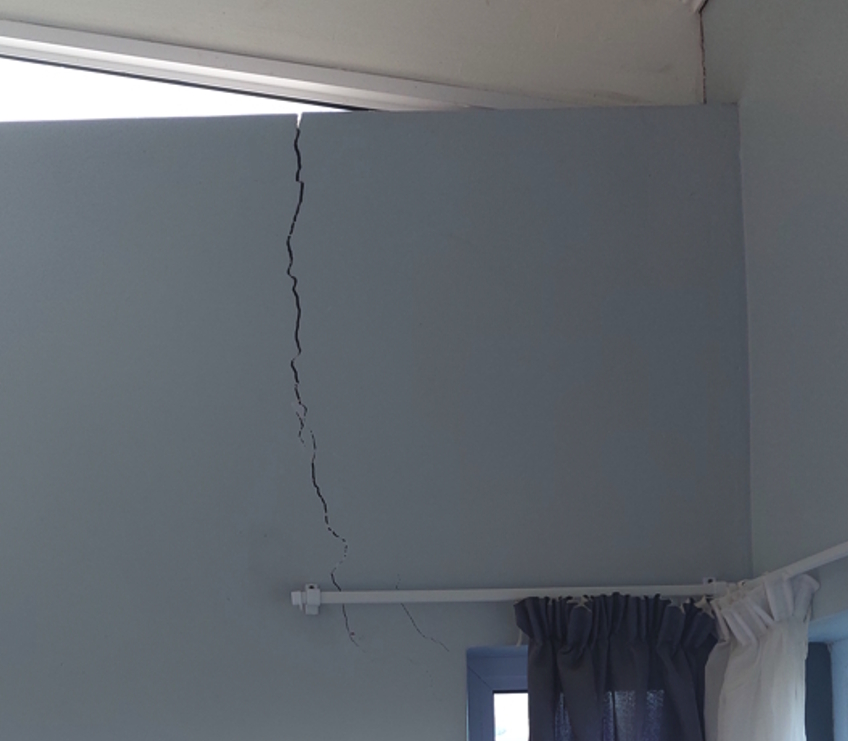
Most people only think about structural problems once they can actually see damage in their home or building.
A crack suddenly appears in a wall. Doors stop closing properly. Floors begin to slope. Damp patches spread across ceilings. Sometimes a property sale is delayed because a buyer notices cracks and becomes concerned.
By the time these signs become obvious, the real problem may already have been developing for years.
This is why structural assessments are becoming more important for homeowners, estate agents, property investors, and commercial property owners across South Africa.
A professional structural assessment does far more than simply “look at cracks.” It helps determine what is causing the problem, whether the damage is serious, and what should be done before the situation becomes worse and more expensive.
By the time these signs become obvious, the real problem may already have been developing for years.
This is why structural assessments are becoming more important for homeowners, estate agents, property investors, and commercial property owners across South Africa.
A professional structural assessment does far more than simply “look at cracks.” It helps determine what is causing the problem, whether the damage is serious, and what should be done before the situation becomes worse and more expensive.
What Is a Structural Assessment?
A structural assessment is a professional inspection of a building to determine whether there are signs of structural problems, movement, damage, or deterioration.
The purpose is not only to identify visible damage, but also to understand why it is happening and whether it is likely to get worse.
During an assessment, a structural engineer may inspect:
• Cracks in walls, slabs, or foundations
• Uneven or sloping floors
• Roof sagging or movement
• Damp or moisture-related damage
• Foundation settlement
• Retaining wall movement
• Concrete deterioration or corrosion
• Structural alterations or additions
• Damage caused by flooding, fire, leaking pipes, or ground movement
The findings are then compiled into a professional report with observations and practical recommendations.
The purpose is not only to identify visible damage, but also to understand why it is happening and whether it is likely to get worse.
During an assessment, a structural engineer may inspect:
• Cracks in walls, slabs, or foundations
• Uneven or sloping floors
• Roof sagging or movement
• Damp or moisture-related damage
• Foundation settlement
• Retaining wall movement
• Concrete deterioration or corrosion
• Structural alterations or additions
• Damage caused by flooding, fire, leaking pipes, or ground movement
The findings are then compiled into a professional report with observations and practical recommendations.
Why Cracks Should Never Simply Be Ignored
One of the biggest misconceptions in property is that all cracks are harmless.
While many cracks may only be cosmetic, others can be early warning signs of more serious structural problems. The problem is that most people cannot tell the difference.
Cracks can sometimes be caused by:
• Foundation movement
• Water leaking below the building
• Expansive clay soils
• Slope instability
• Poor construction workmanship
• Structural overloading
• Retaining wall problems
What may start as a small crack can slowly become worse over time.
Ignoring these warning signs can lead to:
• More severe structural damage
• Expensive future repairs
• Reduced property value
• Safety risks
• Insurance complications
• Delays during property sales
A professional structural assessment helps remove uncertainty and gives property owners a clearer understanding of what is happening.
While many cracks may only be cosmetic, others can be early warning signs of more serious structural problems. The problem is that most people cannot tell the difference.
Cracks can sometimes be caused by:
• Foundation movement
• Water leaking below the building
• Expansive clay soils
• Slope instability
• Poor construction workmanship
• Structural overloading
• Retaining wall problems
What may start as a small crack can slowly become worse over time.
Ignoring these warning signs can lead to:
• More severe structural damage
• Expensive future repairs
• Reduced property value
• Safety risks
• Insurance complications
• Delays during property sales
A professional structural assessment helps remove uncertainty and gives property owners a clearer understanding of what is happening.
Early Detection Can Save Huge Amounts of Money
One of the biggest advantages of a structural assessment is catching problems early.
Structural problems usually do not improve on their own. In most cases, they become worse over time if the cause is not addressed.
A small moisture problem today may later lead to severe timber decay or corrosion. Minor settlement can eventually cause major wall cracking and movement. A leaking drainage pipe below foundations may slowly wash away supporting soil for years before serious damage becomes visible.
The cost difference between early repairs and major reconstruction can be massive.
For example:
• Repairing a leaking pipe early may cost relatively little
• Rebuilding damaged foundations or retaining walls later may cost hundreds of thousands of rand
Many people delay getting professional advice because they fear bad news. Ironically, waiting often allows the problem to become more serious and far more expensive.
Structural problems usually do not improve on their own. In most cases, they become worse over time if the cause is not addressed.
A small moisture problem today may later lead to severe timber decay or corrosion. Minor settlement can eventually cause major wall cracking and movement. A leaking drainage pipe below foundations may slowly wash away supporting soil for years before serious damage becomes visible.
The cost difference between early repairs and major reconstruction can be massive.
For example:
• Repairing a leaking pipe early may cost relatively little
• Rebuilding damaged foundations or retaining walls later may cost hundreds of thousands of rand
Many people delay getting professional advice because they fear bad news. Ironically, waiting often allows the problem to become more serious and far more expensive.
Why Estate Agents Benefit from Structural Assessments
Estate agents work in a competitive industry where trust and professionalism are extremely important.
When structural concerns arise during a sale, agents are often caught in the middle. Buyers become nervous, sellers become defensive, and uncertainty can place the entire transaction at risk.
Referring clients for professional structural assessments offers several important benefits.
When structural concerns arise during a sale, agents are often caught in the middle. Buyers become nervous, sellers become defensive, and uncertainty can place the entire transaction at risk.
Referring clients for professional structural assessments offers several important benefits.
1. Better Buyer Confidence
Buyers feel more comfortable moving forward when a qualified professional has inspected the property and explained the findings clearly.
2. Fewer Problems During the Sale Process
Independent assessments help reduce misunderstandings and prevent disputes later on.
3. Improved Professional Credibility
Agents who recommend proper professional advice show integrity and professionalism.
4. Faster Resolution of Concerns
Instead of endless speculation about cracks or movement, decisions can be based on professional findings.
Estate agents do not need to diagnose structural problems themselves. That is the role of the structural engineer.
Estate agents do not need to diagnose structural problems themselves. That is the role of the structural engineer.
Common Causes of Structural Problems in South Africa
South African properties are exposed to several conditions that can contribute to structural damage over time.
Some of the most common causes include:
Some of the most common causes include:
Expansive Clay Soils
Some soils expand when wet and shrink when dry. This movement can place stress on foundations and walls.
Poor Drainage
Water leaking into the ground below foundations can weaken support and cause settlement.
Poor Workmanship
Incorrect construction methods or inadequate reinforcement can lead to problems developing far earlier than expected.
Slope Movement
Properties built on slopes may experience gradual ground movement over time.
Corrosion
Coastal conditions can accelerate corrosion of steel reinforcement and structural steel components.
Unapproved Alterations
Removing walls or adding extensions without proper engineering design can create serious structural risks.
Many of these issues are not immediately obvious, which is why professional assessments are so valuable.
Many of these issues are not immediately obvious, which is why professional assessments are so valuable.
Structural Problems Are Not Limited to Old Buildings
Many people assume that only old buildings develop structural problems.
That is not true.
Newer properties can also experience serious issues due to:
• Poor workmanship
• Defective materials
• Water management problems
• Inadequate foundation design
• Poor construction supervision
• Fast-track building methods
Some defects become visible only a few years after construction.
A newer building should never automatically be assumed to be problem-free.
That is not true.
Newer properties can also experience serious issues due to:
• Poor workmanship
• Defective materials
• Water management problems
• Inadequate foundation design
• Poor construction supervision
• Fast-track building methods
Some defects become visible only a few years after construction.
A newer building should never automatically be assumed to be problem-free.
The Importance of Independent Professional Advice
One of the biggest advantages of a structural assessment is that it provides an independent professional opinion.
A structural engineer assesses the situation based on experience, engineering principles, and observed evidence — not guesswork.
This is very different from relying on opinions from contractors, neighbours, friends, or social media comments.
Without proper assessment, property owners often either:
• Panic unnecessarily over minor cosmetic damage, or
• Ignore serious warning signs that should not be overlooked
Neither situation is ideal.
Professional assessments help property owners understand the true seriousness of the problem.
A structural engineer assesses the situation based on experience, engineering principles, and observed evidence — not guesswork.
This is very different from relying on opinions from contractors, neighbours, friends, or social media comments.
Without proper assessment, property owners often either:
• Panic unnecessarily over minor cosmetic damage, or
• Ignore serious warning signs that should not be overlooked
Neither situation is ideal.
Professional assessments help property owners understand the true seriousness of the problem.
Structural Assessments and Insurance Claims
Structural assessments can also help when insurance-related damage occurs.
After storms, flooding, fires, impact damage, or ground movement, insurers often require technical information about the cause and extent of the damage.
A structural assessment may help:
• Document the condition of the structure
• Identify likely causes of damage
• Assess possible safety concerns
• Recommend repairs or stabilisation measures
This can help improve communication between property owners, insurers, and contractors.
After storms, flooding, fires, impact damage, or ground movement, insurers often require technical information about the cause and extent of the damage.
A structural assessment may help:
• Document the condition of the structure
• Identify likely causes of damage
• Assess possible safety concerns
• Recommend repairs or stabilisation measures
This can help improve communication between property owners, insurers, and contractors.
Peace of Mind Matters Too
Not every structural assessment uncovers serious structural problems.
In many cases, the outcome is actually reassuring.
Homeowners often live with unnecessary stress because they simply do not know whether cracks or movement are serious.
A professional assessment helps property owners understand whether they really have a major problem or not.
Even when repairs are required, clients benefit from having clear information and practical guidance on what should happen next.
Very often, uncertainty causes more stress than the repair process itself.
In many cases, the outcome is actually reassuring.
Homeowners often live with unnecessary stress because they simply do not know whether cracks or movement are serious.
A professional assessment helps property owners understand whether they really have a major problem or not.
Even when repairs are required, clients benefit from having clear information and practical guidance on what should happen next.
Very often, uncertainty causes more stress than the repair process itself.
Choosing the Right Structural Engineer
When choosing a professional for a structural assessment, property owners should look for:
• Relevant experience
• Professional registration
• Clear and understandable reporting
• Practical recommendations
• Independence and objectivity
The goal is not simply to point out defects, but to provide useful advice that helps clients make informed decisions.
• Relevant experience
• Professional registration
• Clear and understandable reporting
• Practical recommendations
• Independence and objectivity
The goal is not simply to point out defects, but to provide useful advice that helps clients make informed decisions.
Final Thoughts
Buildings rarely develop major structural problems without warning signs.
Cracks, movement, dampness, sloping floors, and other visible defects are often early signs that something may need attention.
Structural assessments help homeowners, buyers, sellers, and estate agents better understand the true condition of a property.
They improve safety, reduce financial risk, support smoother property transactions, and help identify problems before they become far more expensive to repair.
In today’s property market, professional structural assessments are becoming an increasingly important part of responsible property ownership.
Whether you are worried about cracks in your home, buying a property, selling a property, or simply wanting peace of mind, obtaining a professional structural assessment can be one of the smartest property decisions you make.
Cracks, movement, dampness, sloping floors, and other visible defects are often early signs that something may need attention.
Structural assessments help homeowners, buyers, sellers, and estate agents better understand the true condition of a property.
They improve safety, reduce financial risk, support smoother property transactions, and help identify problems before they become far more expensive to repair.
In today’s property market, professional structural assessments are becoming an increasingly important part of responsible property ownership.
Whether you are worried about cracks in your home, buying a property, selling a property, or simply wanting peace of mind, obtaining a professional structural assessment can be one of the smartest property decisions you make.