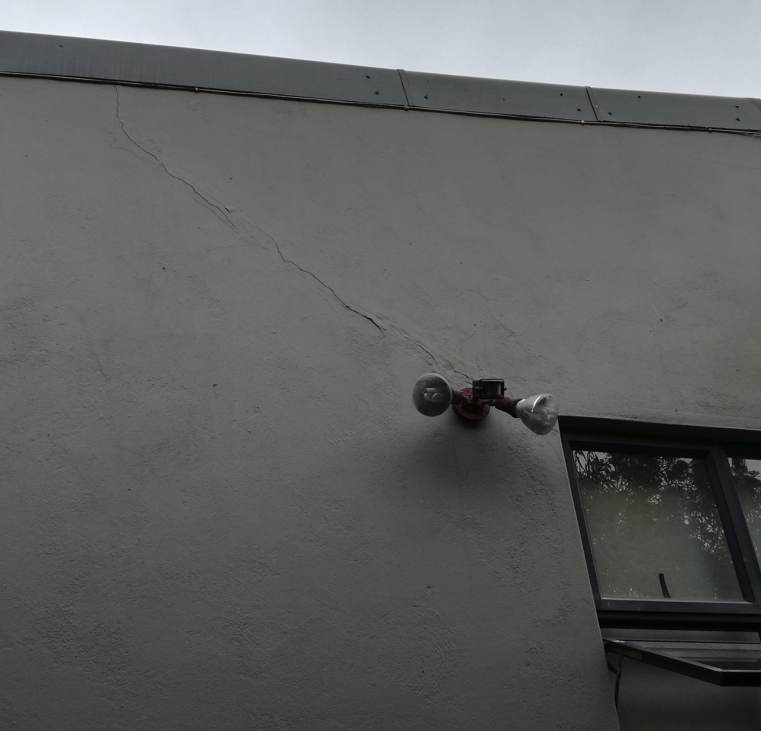
Owning property in Hermanus comes with many advantages—beautiful coastal views, strong property value, and a highly desirable lifestyle. However, homes in this region also face unique structural challenges, particularly when it comes to foundations.
Foundation problems are among the most serious issues a homeowner can face. Unlike cosmetic defects such as peeling paint or minor plaster cracks, foundation problems affect the very stability of the building. Left untreated, they can lead to severe structural damage, expensive repairs, and reduced property value.
In Hermanus, the combination of coastal moisture, varying soil conditions, poor drainage, and aging housing stock makes foundation movement a common concern. Whether you own an older home in Eastcliff, a coastal property in Voëlklip, or a newer house in Sandbaai, understanding foundation risks is essential.
This article explores the main causes of foundation problems in Hermanus, the warning signs homeowners should never ignore, and the practical solutions available to protect your property.
Why Foundation Problems Are Common in Hermanus
Every building relies on stable ground beneath it. When that ground moves, weakens, or becomes uneven, the structure above begins to respond.
Foundation issues in South Africa are commonly caused by soil movement, moisture changes, settlement, poor drainage, and expansive clay soils. Common warning signs include cracks, sticking doors and windows, uneven floors, and separation between walls and ceilings.
Hermanus presents several local risk factors:
• Coastal moisture exposure
• Seasonal heavy winter rainfall
• Water concentration around foundations
• Sloping sites and runoff patterns
• Clay-rich and mixed subsoil conditions
• Older homes built before modern geotechnical standards
• Poor stormwater management
These conditions create an environment where foundation movement can develop slowly and often unnoticed.
Main Causes of Foundation Problems
1. Poor Drainage Around the House
Poor drainage is one of the leading causes of foundation distress.
When rainwater is allowed to collect near the perimeter of a house, the soil beneath foundations becomes saturated. In clay soils, this causes swelling; in sandy soils, it can cause erosion and loss of bearing capacity. Saturated clay expands while saturated sand can lose density, and both may lead to settlement.
Common drainage problems include:
• Blocked gutters
• Downpipes discharging next to walls
• Flat paving trapping water
• Garden beds built too high against walls
• Incorrect site levels sloping toward the house
• Broken underground stormwater pipes
In Hermanus, winter rainfall intensifies these risks, especially on sloped erven where runoff is concentrated.
2. Expansive Clay Soils
Certain areas contain clay-rich soils that react strongly to moisture changes.
Clay expands when wet and shrinks when dry. This repeated “shrink-swell” cycle creates differential movement beneath buildings. The major problem is not uniform movement, but one side moving more than another. This causes structural stress and cracking.
Typical symptoms include:
• Step cracking in brick walls
• Lifting or sinking slab edges
• Separation at ceilings
• Doors suddenly sticking
• Reappearing plaster cracks
This is particularly problematic where landscaping irrigation creates uneven moisture conditions around the house.
3. Water Leaks Below the Surface
Many serious foundation failures begin with something small—a leaking pipe underground.
Leaks from:
• Water mains
• Sewer lines
• Pool pipes
• Irrigation systems
• Stormwater drains
can slowly saturate the soil beneath the building.
This creates hidden settlement zones that may only become visible months later through cracks and floor movement. Broken water lines beneath slabs can cause dramatic settlement in weeks.
Because these leaks are invisible, homeowners often repair cracks repeatedly without addressing the real cause.
4. Tree Roots Near Foundations
Trees are often underestimated as structural risks.
Large trees draw significant moisture from the soil. In clay areas, this can dry out one section of the ground more than another, causing uneven settlement.
At the same time, invasive roots may affect drainage systems and underground pipes.
The result can be:
• One side of the house settling
• Localised cracking
• Distorted floors
• Foundation edge movement
Beautiful gardens are valuable—but tree placement must be considered carefully.
5. Poor Original Construction
Not all foundation problems are caused by age. Some begin on day one.
Common original construction defects include:
• Foundations too shallow
• Poor soil compaction before building
• Foundations placed on fill material
• Insufficient reinforcement
• Inadequate geotechnical investigation
• Weak concrete quality
Older homes in Hermanus may have been built before current standards were applied consistently. Even some newer homes suffer from shortcuts during fast development phases.
Shallow footings on clay and foundations built on uncompacted fill are common causes of long-term settlement.
6. Coastal Environmental Effects
Hermanus is not just any town—it is a coastal town.
Salt-laden air, moisture exposure, and wind-driven rain create additional structural pressures.
These factors contribute to:
• Concrete deterioration
• Corrosion of reinforcement steel
• Masonry weakening
• Waterproofing failure
• Accelerated moisture penetration
When reinforced concrete deteriorates, the structural integrity of foundation elements can be compromised over time.
This is especially relevant for older beachfront properties.
Warning Signs You Should Never Ignore
Foundation movement usually starts slowly.
Many homeowners dismiss early signs as “normal settling,” but repeated or progressive movement should always be investigated.
Key warning signs include:
Cracks in Walls
Not all cracks are dangerous, but some are serious.
Pay attention to:
• Stair-step cracks in brickwork
• Diagonal cracks from window corners
• Horizontal wall cracks
• Cracks wider than 3mm
• Cracks that reopen after repair
Recurring cracks usually indicate active movement rather than cosmetic shrinkage.
Doors and Windows That Stick
If doors suddenly stop closing properly, it often means the building frame has shifted.
This is one of the earliest signs of differential settlement.
The same applies to:
• Windows that jam
• Sliding doors that become difficult
• Cupboards pulling out of alignment
These are often more important than hairline plaster cracks.
Uneven or Sloping Floors
If floors feel different underfoot, pay attention.
Signs include:
• Tiles cracking repeatedly
• Timber floors separating
• Gaps under skirtings
• Noticeable floor slope
• Furniture appearing unlevel
These usually indicate movement below the floor structure.
Wall and Ceiling Separation
Look for:
• Ceiling cornice gaps
• Cracks between walls and ceilings
• Cupboards separating from walls
• Visible junction movement
These are classic signs of structural adjustment.
External Ground Movement
Sometimes the warning signs are outside, not inside.
Examples include:
• Sunken paving
• Tilting boundary walls
• Retaining wall movement
• Cracks in patios
• Soil erosion near walls
Often these appear before internal damage becomes obvious.
Solutions for Foundation Problems
The right solution depends entirely on the cause.
Repairing cracks without solving the underlying problem is like repainting a leaking roof.
Improve Drainage First
In many cases, drainage correction is the most effective solution.
This may include:
• Regrading the site
• Installing proper downpipes
• Extending stormwater discharge
• Repairing leaking drains
• Creating falls away from the house
• Improving subsoil drainage
Many foundation problems are actually drainage problems. Fixing water management often stabilizes the structure without major structural intervention.
Repair Water Leaks Immediately
Subsurface leaks must be located and repaired before structural repairs begin.
This may require:
• Leak detection specialists
• CCTV drain inspections
• Pressure testing
• Plumbing replacement
Without this step, cracking will simply return.
Tree and Landscaping Management
Solutions may include:
• Root barrier systems
• Controlled irrigation
• Selective tree removal
• Relocating high-water-use planting
The goal is moisture balance—not necessarily removing every tree.
Underpinning
When foundations have already lost support, underpinning may be required.
This involves strengthening or deepening the foundation so that loads transfer to more stable soil.
Methods include:
• Mass concrete underpinning
• Reinforced beam underpinning
• Mini piles
• Helical piers
• Structural pier systems
This is major structural work and should only be designed by a qualified structural engineer.
Crack Monitoring and Structural Assessment
Not every crack needs immediate repair.
Often the correct first step is monitoring movement over time.
A structural engineer can determine:
• Whether cracks are active
• Whether movement is historic or ongoing
• The likely cause
• Repair priority
• Required remediation strategy
This prevents unnecessary repair costs and avoids guessing.
Why Buyers in Hermanus Should Care
Foundation problems matter enormously during property transactions.
Buyers often focus on finishes, kitchens, and sea views while missing serious structural warning signs.
Sellers may not even realise there is an issue.
For estate agents, buyers, and sellers, a professional structural assessment can prevent major disputes and financial loss.
This is especially important for:
• Older coastal homes
• Properties with visible cracking
• Homes on sloping sites
• Houses near retaining walls
• Homes with repeated moisture problems
• High-value investment properties
A pre-purchase structural inspection is often far cheaper than post-purchase foundation repair.
Final Thoughts
Foundation problems in Hermanus are rarely sudden disasters—they usually begin quietly.
A sticking door. A recurring crack. Slight floor movement.
These small signs often indicate bigger structural issues developing below the surface.
The good news is that early diagnosis usually means simpler, cheaper solutions.
The bad news is that ignoring the warning signs almost always makes repairs more expensive.
If your home shows signs of movement, don’t guess. Proper structural assessment is the smartest investment you can make.
In a town where property values are high and environmental conditions are demanding, protecting your foundation means protecting your entire investment.