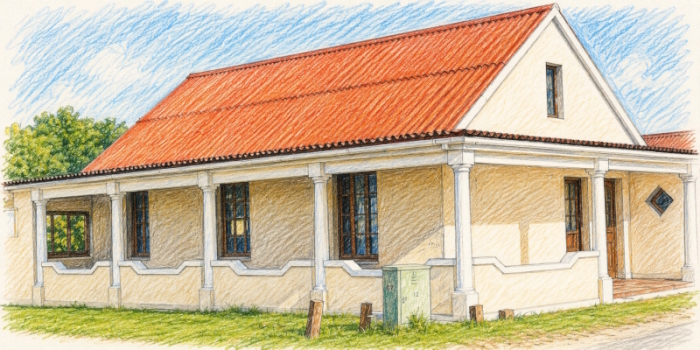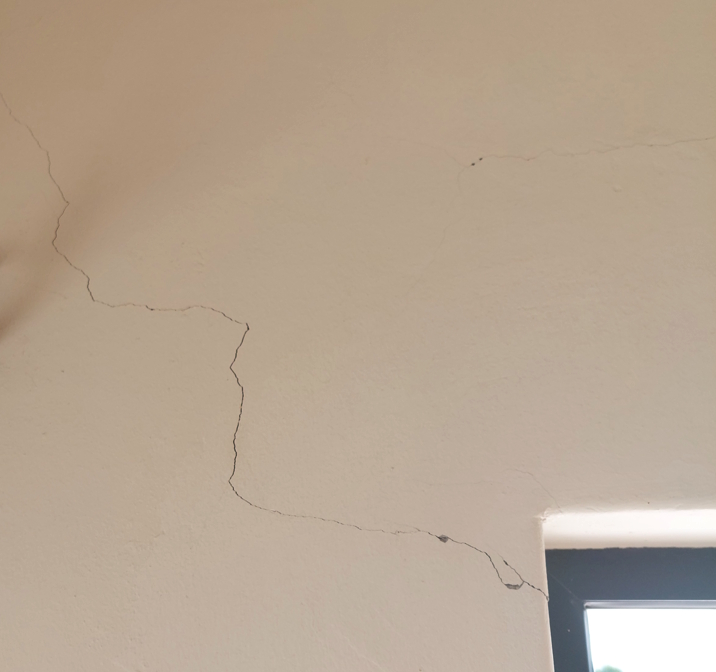
Few things create panic among homeowners faster than discovering a crack in a wall
Some people immediately imagine sinking foundations, collapsing roofs, or houses about to split apart. In reality, most cracks found in homes are minor, cosmetic, and completely harmless.
The truth is that buildings are not rigid objects. They move. They expand and contract. They settle. Materials shrink as they dry. Temperatures change. Moisture levels fluctuate. Wind causes movement. Even normal day-to-day structural behaviour can create small cracks over time.
Understanding the difference between harmless cracks and serious structural warning signs can save homeowners unnecessary stress, poor decisions, and expensive “repair” scams.
The truth is that buildings are not rigid objects. They move. They expand and contract. They settle. Materials shrink as they dry. Temperatures change. Moisture levels fluctuate. Wind causes movement. Even normal day-to-day structural behaviour can create small cracks over time.
Understanding the difference between harmless cracks and serious structural warning signs can save homeowners unnecessary stress, poor decisions, and expensive “repair” scams.
Why Cracks Happen in Buildings
Every building develops some cracks eventually. Even newly built houses can crack within the first year. This is normal.
Common non-structural causes include:
• Plaster shrinkage
• Thermal expansion and contraction
• Slight foundation settlement
• Seasonal moisture changes
• Drying of building materials
• Minor roof movement
• Vibrations from traffic or nearby activity
Many homeowners mistakenly believe that a crack automatically means foundation failure. This is simply not true.
In most cases, cracks are only affecting finishes such as plaster, paint, or mortar joints — not the actual structural integrity of the building.
Common non-structural causes include:
• Plaster shrinkage
• Thermal expansion and contraction
• Slight foundation settlement
• Seasonal moisture changes
• Drying of building materials
• Minor roof movement
• Vibrations from traffic or nearby activity
Many homeowners mistakenly believe that a crack automatically means foundation failure. This is simply not true.
In most cases, cracks are only affecting finishes such as plaster, paint, or mortar joints — not the actual structural integrity of the building.
The Biggest Mistake Homeowners Make
One of the most common problems is that people focus on the crack itself instead of the overall behaviour of the structure.
A single crack means very little on its own.
Structural assessment is about patterns, movement, location, width, direction, progression, and surrounding symptoms.
For example:
• A thin plaster crack above a doorway may be harmless shrinkage.
• The exact same crack combined with sloping floors, doors jamming, and wall displacement may indicate structural movement.
This is why internet advice often creates unnecessary panic. People search “wall crack danger” online and immediately see worst-case examples.
Most houses are not collapsing.
A single crack means very little on its own.
Structural assessment is about patterns, movement, location, width, direction, progression, and surrounding symptoms.
For example:
• A thin plaster crack above a doorway may be harmless shrinkage.
• The exact same crack combined with sloping floors, doors jamming, and wall displacement may indicate structural movement.
This is why internet advice often creates unnecessary panic. People search “wall crack danger” online and immediately see worst-case examples.
Most houses are not collapsing.
Hairline Cracks Are Extremely Common
Hairline cracks are among the most common and least serious forms of cracking.
These are usually:
• Less than 1 mm wide
• Shallow
• Limited to plaster or paint
• Stable over time
Hairline cracking often appears:
• Above doors and windows
• At ceiling-wall junctions
• Along plaster joints
• Around repaired areas
In many cases, repainting or replastering is all that is required.
Some homeowners become obsessed with monitoring tiny cosmetic cracks that have not changed in years. This creates unnecessary anxiety over something completely normal.
These are usually:
• Less than 1 mm wide
• Shallow
• Limited to plaster or paint
• Stable over time
Hairline cracking often appears:
• Above doors and windows
• At ceiling-wall junctions
• Along plaster joints
• Around repaired areas
In many cases, repainting or replastering is all that is required.
Some homeowners become obsessed with monitoring tiny cosmetic cracks that have not changed in years. This creates unnecessary anxiety over something completely normal.
Buildings Naturally Move
People often expect houses to behave like solid rock. But buildings are assemblies of different materials that all behave differently.
Brickwork, concrete, timber, steel, roofing materials, and plaster all expand and contract at different rates.
A house exposed to:
• Hot summer days
• Cold nights
• Heavy winter rain
• Dry periods
• Strong wind
will naturally experience movement.
Small cracks are often simply the visible evidence of this normal movement.
In places with expansive clay soils, minor seasonal movement can occur almost every year without creating structural danger.
Brickwork, concrete, timber, steel, roofing materials, and plaster all expand and contract at different rates.
A house exposed to:
• Hot summer days
• Cold nights
• Heavy winter rain
• Dry periods
• Strong wind
will naturally experience movement.
Small cracks are often simply the visible evidence of this normal movement.
In places with expansive clay soils, minor seasonal movement can occur almost every year without creating structural danger.
What Real Structural Cracks Usually Look Like
Although most cracks are harmless, some do require proper investigation.
Potentially serious cracks may involve:
• Significant width
• Progressive widening
• Stepped cracking through brickwork
• Diagonal cracking from corners
• Bulging walls
• Displacement between surfaces
• Cracks combined with sagging or movement
The key issue is not simply the presence of a crack, but whether active structural movement is occurring.
A structural crack often forms part of a bigger pattern.
Warning signs can include:
• Doors or windows suddenly sticking
• Floors becoming uneven
• Walls leaning outward
• Roof sagging
• Large gaps opening
• Repeated crack repairs failing quickly
When several symptoms appear together, professional assessment becomes important.
Potentially serious cracks may involve:
• Significant width
• Progressive widening
• Stepped cracking through brickwork
• Diagonal cracking from corners
• Bulging walls
• Displacement between surfaces
• Cracks combined with sagging or movement
The key issue is not simply the presence of a crack, but whether active structural movement is occurring.
A structural crack often forms part of a bigger pattern.
Warning signs can include:
• Doors or windows suddenly sticking
• Floors becoming uneven
• Walls leaning outward
• Roof sagging
• Large gaps opening
• Repeated crack repairs failing quickly
When several symptoms appear together, professional assessment becomes important.
New Cracks Are Not Always Dangerous
Many homeowners panic because a crack appears “suddenly.”
However, cracks often become visible after:
• Heavy rain
• Heatwaves
• Storms
• Renovations
• Nearby excavation
• Vibrations
This does not automatically mean the structure is unsafe.
Sometimes weather changes merely expose pre-existing minor movement that had already occurred gradually over time.
Wind damage is another misunderstood issue. Strong winds may expose weaknesses, but wind itself is often not the root cause. Poor construction, weak foundations, water damage, or lack of reinforcement may already have existed long before the storm.
However, cracks often become visible after:
• Heavy rain
• Heatwaves
• Storms
• Renovations
• Nearby excavation
• Vibrations
This does not automatically mean the structure is unsafe.
Sometimes weather changes merely expose pre-existing minor movement that had already occurred gradually over time.
Wind damage is another misunderstood issue. Strong winds may expose weaknesses, but wind itself is often not the root cause. Poor construction, weak foundations, water damage, or lack of reinforcement may already have existed long before the storm.
Poor Repairs Often Make Things Worse
One of the biggest problems in the construction industry is unnecessary crack “repairs” performed without understanding the real cause.
Many contractors simply:
• Fill the crack
• Paint over it
• Apply mesh tape
• Use excessive sealants
without diagnosing the underlying movement.
If active movement still exists, the crack simply returns.
In some cases, homeowners spend large amounts of money on unnecessary underpinning or foundation work when the issue was only cosmetic plaster movement.
A proper assessment should always determine:
1. Is the crack structural or cosmetic?
2. Is movement active or historic?
3. What caused the movement?
4. Is repair actually necessary?
Many contractors simply:
• Fill the crack
• Paint over it
• Apply mesh tape
• Use excessive sealants
without diagnosing the underlying movement.
If active movement still exists, the crack simply returns.
In some cases, homeowners spend large amounts of money on unnecessary underpinning or foundation work when the issue was only cosmetic plaster movement.
A proper assessment should always determine:
1. Is the crack structural or cosmetic?
2. Is movement active or historic?
3. What caused the movement?
4. Is repair actually necessary?
Social Media and Fear
Social media has amplified fear surrounding cracks in buildings.
People post dramatic photographs online asking: “Is my house collapsing?”
Often the photos show ordinary plaster shrinkage cracks that have existed harmlessly for years.
Unfortunately, fear spreads faster than technical understanding.
Some companies also exploit this fear by marketing expensive repair systems to homeowners who do not actually need them.
This does not mean cracks should be ignored completely. It simply means panic is usually the wrong reaction.
People post dramatic photographs online asking: “Is my house collapsing?”
Often the photos show ordinary plaster shrinkage cracks that have existed harmlessly for years.
Unfortunately, fear spreads faster than technical understanding.
Some companies also exploit this fear by marketing expensive repair systems to homeowners who do not actually need them.
This does not mean cracks should be ignored completely. It simply means panic is usually the wrong reaction.
Monitoring Is Sometimes the Best Solution
Not every crack requires immediate repair.
In many situations, the best approach is simply:
• Monitoring
• Measuring
• Recording progression over time
A stable crack that does not worsen may require no structural intervention at all.
Simple monitoring methods can reveal whether movement is ongoing or historic.
This allows informed decisions instead of emotional reactions.
In many situations, the best approach is simply:
• Monitoring
• Measuring
• Recording progression over time
A stable crack that does not worsen may require no structural intervention at all.
Simple monitoring methods can reveal whether movement is ongoing or historic.
This allows informed decisions instead of emotional reactions.
Older Homes Often Crack More
Older homes commonly contain more visible cracking due to:
• Material aging
• Historic settlement
• Repeated renovations
• Long-term moisture exposure
• Changes in drainage
• Roof movement over decades
Yet many of these buildings remain perfectly stable and safe.
Some century-old buildings contain visible cracks that have not changed in decades.
Cracks alone do not determine structural safety.
• Material aging
• Historic settlement
• Repeated renovations
• Long-term moisture exposure
• Changes in drainage
• Roof movement over decades
Yet many of these buildings remain perfectly stable and safe.
Some century-old buildings contain visible cracks that have not changed in decades.
Cracks alone do not determine structural safety.
A Little Historical Perspective
Modern homeowners often become alarmed by the slightest crack, yet throughout most of human history people lived in buildings that displayed far more visible imperfections than we would tolerate today.
Long before modern cement-based construction became common, many structures were built from stone blocks stacked, interlocked, or bedded in simple mortars. Ancient builders understood that structures moved, settled, and weathered over time. Small cracks, gaps, and signs of age were considered a normal part of a building's life.
Many ancient structures that still stand today contain joints, separations, and visible movement that would cause panic if discovered in a modern suburban home. Yet these buildings have survived for centuries, and in some cases millennia.
The problem is not that modern homeowners care about their properties. The problem is that many people have lost perspective. A tiny crack in a plastered wall is often treated as evidence of impending structural collapse when, in reality, it may simply be the building behaving exactly as buildings have always behaved.
Buildings are not museum exhibits frozen in time. They are living structures that respond continuously to gravity, temperature, moisture, wind, and the passage of years. The presence of a crack does not automatically indicate danger; it often indicates nothing more than the fact that the building is doing what buildings have done throughout history.
Long before modern cement-based construction became common, many structures were built from stone blocks stacked, interlocked, or bedded in simple mortars. Ancient builders understood that structures moved, settled, and weathered over time. Small cracks, gaps, and signs of age were considered a normal part of a building's life.
Many ancient structures that still stand today contain joints, separations, and visible movement that would cause panic if discovered in a modern suburban home. Yet these buildings have survived for centuries, and in some cases millennia.
The problem is not that modern homeowners care about their properties. The problem is that many people have lost perspective. A tiny crack in a plastered wall is often treated as evidence of impending structural collapse when, in reality, it may simply be the building behaving exactly as buildings have always behaved.
Buildings are not museum exhibits frozen in time. They are living structures that respond continuously to gravity, temperature, moisture, wind, and the passage of years. The presence of a crack does not automatically indicate danger; it often indicates nothing more than the fact that the building is doing what buildings have done throughout history.
When You Should Get a Professional Assessment
A professional structural assessment is advisable when:
• Cracks are widening noticeably
• Multiple cracks appear suddenly
• Walls are visibly moving
• Floors slope significantly
• Doors or windows jam badly
• Structural elements deform
• Water damage is severe
• Retaining walls move
• Boundary walls lean
• Roof structures sag
The purpose of an assessment is not to create fear, but to separate harmless defects from genuine structural concerns.
A qualified professional evaluates the entire structural behaviour of the building — not just isolated cracks.
• Cracks are widening noticeably
• Multiple cracks appear suddenly
• Walls are visibly moving
• Floors slope significantly
• Doors or windows jam badly
• Structural elements deform
• Water damage is severe
• Retaining walls move
• Boundary walls lean
• Roof structures sag
The purpose of an assessment is not to create fear, but to separate harmless defects from genuine structural concerns.
A qualified professional evaluates the entire structural behaviour of the building — not just isolated cracks.
Final Thoughts
The overwhelming majority of cracks in residential buildings are minor, cosmetic, and non-dangerous.
Cracks are part of how buildings age and respond to their environment. Small movement does not automatically equal structural failure.
The key is rational evaluation instead of panic.
Homeowners should avoid both extremes:
• Ignoring genuinely serious structural symptoms
• Assuming every tiny crack means disaster
Good structural assessment relies on understanding building behaviour, movement patterns, and engineering principles — not fear.
A calm, informed approach almost always leads to better decisions, lower costs, and less unnecessary stress.
Cracks are part of how buildings age and respond to their environment. Small movement does not automatically equal structural failure.
The key is rational evaluation instead of panic.
Homeowners should avoid both extremes:
• Ignoring genuinely serious structural symptoms
• Assuming every tiny crack means disaster
Good structural assessment relies on understanding building behaviour, movement patterns, and engineering principles — not fear.
A calm, informed approach almost always leads to better decisions, lower costs, and less unnecessary stress.