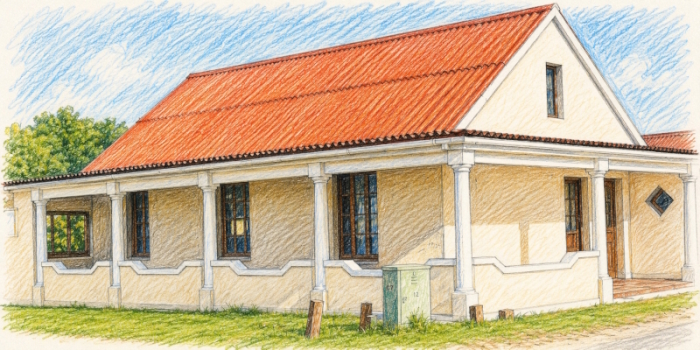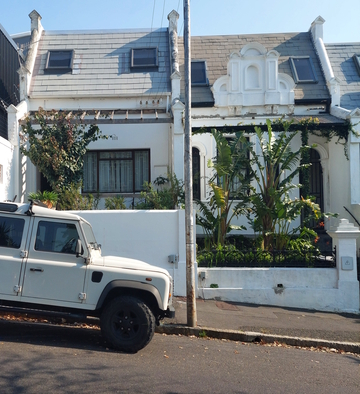
Adobe houses are among South Africa's most distinctive heritage buildings. Found throughout the Western Cape and many historic towns, these homes have survived for more than a century because they were built using materials that worked in harmony with the local climate.
However, an adobe house requires a very different approach to maintenance than a modern brick-and-mortar building. Moisture, inappropriate repairs and unnoticed structural movement can gradually cause serious damage.
If you own, intend purchasing, or are renovating an adobe home, understanding the causes of deterioration and recognising when a structural assessment is required can save substantial repair costs while preserving an important part of our architectural heritage.
If you own, intend purchasing, or are renovating an adobe home, understanding the causes of deterioration and recognising when a structural assessment is required can save substantial repair costs while preserving an important part of our architectural heritage.
What is an Adobe House?
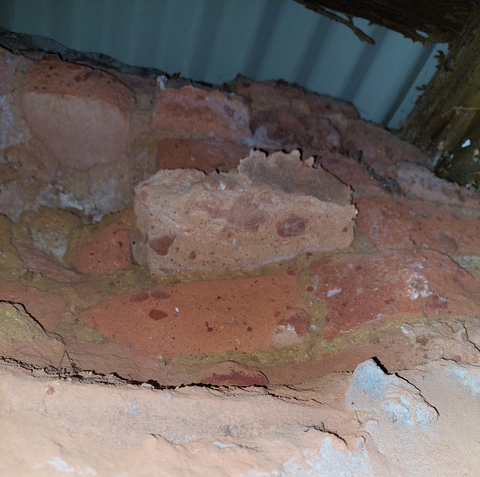
Adobe walls are constructed from sun-dried bricks made from clay, sand, silt, water and often straw or other natural fibres. Unlike fired clay bricks, adobe remains breathable and can regulate moisture naturally.
The thick walls provide excellent insulation and thermal mass, making these homes comfortable throughout the year. Many adobe houses in the Western Cape have remained structurally sound for well over 100 years because they have been protected from excessive moisture.
The thick walls provide excellent insulation and thermal mass, making these homes comfortable throughout the year. Many adobe houses in the Western Cape have remained structurally sound for well over 100 years because they have been protected from excessive moisture.
Adobe Home Damp Problems
The single greatest threat to an adobe house is prolonged moisture exposure.
Unlike modern masonry, adobe gradually softens when it remains wet for extended periods. As the clay loses strength, the wall may begin to deform, crack or erode.
Common causes of dampness include:
• Rising damp from the foundations
• Leaking roofs and gutters
• Defective plumbing
• Poor surface drainage
• Garden irrigation against walls
• High external ground levels
• Inadequate underfloor ventilation
• Cement plaster trapping moisture within the wall
Many apparent structural defects are actually moisture-related problems that have developed over many years.
Adobe Wall Cracks – Should You Be Concerned?
Cracks are one of the most common concerns raised by owners of heritage adobe homes.
Fortunately, not every crack indicates structural failure.
Many older buildings develop minor cracking through seasonal movement, long-term settlement or the natural ageing of materials.
However, certain cracks deserve prompt investigation by a structural engineer experienced in heritage buildings.
Warning signs include:
• Wide diagonal cracks
• Cracks that continue to widen
• Bulging wall surfaces
• Leaning external walls
• Separation where walls intersect
• Sagging roof structures
• Doors and windows that suddenly become difficult to open or close
• Uneven or sloping floors
Determining whether movement is historic and stable or ongoing requires professional assessment.
Why Cement Repairs Often Damage Adobe Walls
One of the most common mistakes made during renovations is repairing adobe walls with cement plaster or dense cement mortars.
Although these materials appear durable, they prevent moisture from escaping naturally through the wall.
The result may include:
• Softening of adobe bricks
• Salt crystallisation
• Progressive deterioration behind the plaster
• Bulging walls
• Surface cracking
• Localised collapse of weakened adobe
Traditional lime-based repair materials are generally far more compatible because they allow the wall to breathe while protecting it from the weather.
Heritage Building Structural Engineer – Why Experience Matters
Assessing a heritage adobe building differs significantly from inspecting a modern brick structure.
An experienced structural engineer understands that preserving original fabric is usually preferable to unnecessary replacement. The objective is to identify the true cause of deterioration rather than simply repairing visible symptoms.
A structural assessment may include:
• Inspection of cracking patterns
• Assessment of wall stability
• Evaluation of moisture sources
• Inspection of roof support systems
• Assessment of timber floors and crawl spaces
• Evaluation of foundation movement
• Recommendations for appropriate repair methods
This approach helps preserve both the structural integrity and historical character of the building.
Timber Floors in Adobe Houses
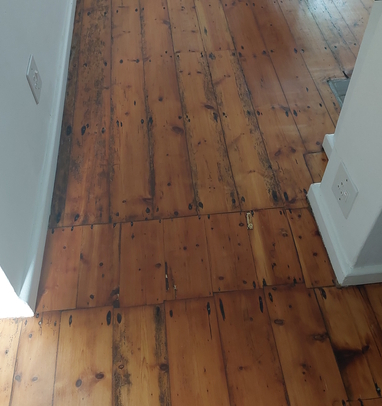
Many heritage homes incorporate suspended timber floors over a ventilated crawl space.
Where ventilation is inadequate, moisture accumulates beneath the floor, leading to fungal decay, timber rot and termite attack.
Signs requiring investigation include:
• Springy floors
• Sloping floors
• Timber decay
• Musty odours
• High moisture levels beneath the building
Addressing moisture beneath the floor often prevents further deterioration of both the timber structure and the adobe walls.
Preventive Maintenance Protects Heritage Buildings
The most cost-effective way to preserve an adobe house is through regular maintenance.
Owners should:
• Keep roofs watertight
• Clean gutters regularly
• Direct stormwater away from walls
• Repair plumbing leaks promptly
• Maintain adequate underfloor ventilation
• Keep gardens away from walls
• Avoid impermeable cement repairs
• Monitor cracks periodically
Early intervention is almost always less expensive than major structural repairs.
When Should You Arrange an Adobe House Structural Assessment?
A professional structural assessment is recommended if you are:
• Buying an older adobe home
• Selling a heritage property
• Concerned about adobe wall cracks
• Experiencing persistent damp problems
• Planning renovations or alterations
• Noticing leaning walls or uneven floors
• Concerned about foundation movement
• Unsure whether previous repairs have caused damage
A structural assessment can distinguish between cosmetic defects and genuine structural concerns, identify the source of moisture problems and recommend practical repair solutions compatible with heritage construction.
Adobe House Structural Assessment in Cape Town and the Western Cape
Historic adobe buildings remain an important part of the Western Cape's architectural heritage.
Whether located in Cape Town, the Overberg, or elsewhere in the province, these buildings deserve informed maintenance and careful structural evaluation.
The key to long-term preservation is understanding how adobe behaves, controlling moisture before significant damage occurs, and ensuring that repairs are compatible with traditional construction methods.
A professional structural assessment provides property owners with an objective understanding of the building's condition, identifies defects before they become costly, and helps preserve these remarkable heritage homes for future generations.
Frequently Asked Questions About Adobe Houses
How do I know if cracks in an adobe wall are serious?
Not all cracks indicate a structural problem. Many heritage adobe homes develop small cracks over decades due to seasonal moisture changes, minor settlement or normal ageing of the building. However, wide diagonal cracks, bulging walls, leaning walls, cracks that continue to widen, or doors and windows that suddenly become difficult to open may indicate structural movement that should be assessed by a structural engineer. A professional inspection can determine whether the movement is historic and stable or whether further investigation or repairs are required.
Can rising damp damage adobe bricks?
Yes. Rising damp is one of the most common causes of deterioration in adobe buildings. Because adobe bricks are made from natural clay, prolonged exposure to moisture gradually softens the material and reduces its strength. If the source of moisture is not eliminated, deterioration can continue until sections of the wall begin to crumble or lose structural capacity. Early identification of rising damp can prevent extensive and costly repairs.
Should adobe walls be repaired with cement plaster?
In most cases, no. Dense cement plaster is considerably less permeable than traditional adobe or lime-based materials. Instead of allowing moisture to evaporate naturally, cement often traps moisture within the wall, accelerating deterioration of the adobe behind the plaster. Lime-based plasters and compatible repair mortars are generally more suitable because they allow the wall to breathe while providing protection from the weather.
What causes adobe wall cracks?
Adobe wall cracks can result from a number of factors, including foundation settlement, seasonal moisture changes, shrinking and swelling of clay soils, leaking roofs or plumbing, rising damp, deterioration of timber roof structures, or previous inappropriate repairs. The pattern, width and location of the cracks often provide valuable clues to the underlying cause. Correct diagnosis is essential before repairs are undertaken.
Can an adobe house be structurally assessed before buying?
Absolutely. A pre-purchase structural assessment is strongly recommended for older adobe homes. The inspection can identify structural movement, moisture-related deterioration, timber decay, roof defects and other issues that may not be apparent during a normal property viewing. Understanding the condition of the building before purchase allows buyers to make informed decisions and budget appropriately for future maintenance.
Can dampness beneath a timber floor affect adobe walls?
Yes. Many heritage adobe homes have suspended timber floors with crawl spaces beneath them. Poor ventilation, leaking plumbing or inadequate site drainage can increase humidity beneath the building, contributing to timber decay and increasing moisture levels within the adobe walls. Improving underfloor ventilation and addressing moisture sources often forms an important part of preserving the building.
How often should an adobe house be inspected?
A general visual inspection should be carried out at least once each year and after severe storms or unusually heavy rainfall. Owners should look for new cracks, damp staining, deteriorating plaster, blocked gutters, roof leaks and changes in floor levels. If new defects are observed, a professional structural assessment should be arranged before the damage progresses.
Can heritage adobe buildings be successfully repaired?
In many cases, yes. Even buildings showing significant deterioration can often be stabilised and repaired using appropriate conservation techniques and compatible materials. The objective should always be to preserve as much of the original structure as practical while ensuring the building remains safe and serviceable. Early intervention usually results in simpler and more economical repairs.
Do all cracks require immediate structural repairs?
No. Some cracks are purely cosmetic and have remained unchanged for many years. Others may indicate ongoing structural movement or moisture-related deterioration. The important consideration is not simply the size of the crack but whether it is changing over time and what has caused it. A structural assessment provides an objective evaluation and helps avoid unnecessary repairs.
Why should I obtain a structural assessment of an adobe heritage home?
A structural assessment provides an independent evaluation of the building's condition. It helps distinguish cosmetic defects from genuine structural concerns, identifies the causes of cracking and dampness, assesses the stability of walls, floors and roof structures, and provides practical recommendations for maintenance or repair. Whether you are buying, selling or maintaining an adobe property, a professional structural assessment provides valuable peace of mind and helps preserve an important part of South Africa's architectural heritage.